

Teacher Certificate Program Online: What to Expect and Pack for Your First Teacher Training
By Sole Pilates | September 16, 2026
If you’re nervous before your first teacher training, that’s normal. I hear it all the time, even from people who already love movement. And I get it. Walking into an intensive program can feel like a lot. The good news is that a well-run training is straightforward, structured, and supportive. People tell me our studio feels clean and welcoming, and that matters when you’re trying something new. This guide breaks down what your days usually look like, what to pack, and how to pace yourself so you can focus on learning instead of guessing.
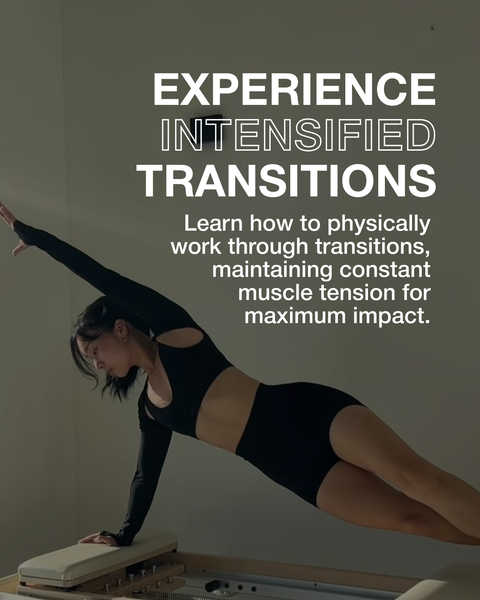
Answer first: Your first Teacher Training Program is usually a mix of full days of practical instruction, hands-on teaching practice, anatomy and theory sessions, and short homework assignments. Expect movement demos, live feedback, assessments, and some community-building. Plan for focused evenings and a little soreness as your body adapts.
My day-one packing list for teacher training (and what people always forget)
If you’re coming to Locust Valley from Oyster Bay, Glen Cove, Bayville, Sea Cliff, or Mill Neck, pack like you’re going to be out for a full block of time. I’d rather you have what you need than spend your first break running around.
Bring these every training day
- A mat for floor work, note-taking breaks, and quick mobility resets.
- A notebook + pen. I love phones for photos of whiteboards, but a real notebook is faster when cues are flying.
- A refillable water bottle. Hydration matters more than people think, especially on active days.
- Comfortable layered clothing. You’ll warm up, cool down, and sometimes spend time standing and observing.
- Snacks that won’t crash you. Think steady energy, not a sugar spike.
- Any pre-course readings or forms you were assigned. Keep them together so you’re not digging through your bag.
One more thing. Tell me up front if you’re managing back or neck issues, or if you’ve been hesitant because movement hasn’t felt great lately. People come in with real concerns, and I take that seriously. Clear communication early helps me coach you safely and keep the day productive.
A typical Teacher Training Program day: movement, anatomy, teaching labs, feedback
Here’s the flow I like because it keeps your brain engaged and your body cared for. It also matches what people tell me they appreciate in our classes: clear direction, real attention to form, and a balance of challenge and encouragement.
1) Arrival and check-in (settle your nervous system first)
I’ll get you oriented, make sure you know where everything is, and answer the questions you didn’t realize you had until you walked in. If you’re commuting into the Birch Hill area near NY-25A, give yourself a few extra minutes so you’re not starting your day in a rush.
2) Morning movement practice (learn it in your own body)
We start with demonstrations and coached practice so you feel the work, not just memorize it. This is also where modifications get real. If something doesn’t feel right, I want to hear it. The goal is clean, controlled movement, not pushing through weird sensations.
3) Mid-day theory and anatomy (make the “why” click)
This is where cues get smarter. You’ll connect common patterns you see in bodies to what you’re teaching. Plan to take notes. If you’re doing a teacher certificate program online alongside in-person intensives, this section is what usually makes your online modules feel clearer too.
4) Afternoon teaching labs (practice teaching before you’re “ready”)
You’ll teach pieces, get feedback, and try again. This is hands-on and it’s where confidence builds fast. People often tell me they’re surprised by how supportive a room can feel when class sizes stay small and the coaching is specific.
5) Group feedback + short homework (keep it light but consistent)
Expect a small assignment most evenings. It’s usually cue writing, reviewing anatomy, or reflecting on what you taught. If you like to study outside your home, the Birch Hill area has quiet cafés and community rooms that are perfect for a focused hour.
"I have never taken a class with the reformer before and I was very nervous but my experience was positive from beginning to end."
, a first-time client
Soreness, focus, and recovery: what you’ll feel after training days
It’s common to feel a mix of energized and pleasantly worked. Some people notice their abs and legs “wake up” in a way they haven’t felt in a while. Others notice posture changes first. And yes, a little soreness tends to show up early on, especially if you’re learning new control and timing.
What I generally recommend after an intensive day
- Drink water steadily through the evening, not all at once right before bed.
- Do a short walk and gentle stretching. Keep it easy. This is recovery, not another workout.
- Eat a real meal with protein and something salty if you sweat a lot.
- Give yourself a tech boundary. Even 30 to 45 minutes of quiet review beats two hours of distracted scrolling.
If you’re balancing family life and commute, weekend cohorts can be a game-changer. For Locust Valley commuters, I also like recommending the earliest weekend cohorts so you’re not stuck trying to time LIRR or highway traffic at the peak.
Certification timeline, assessments, and practice hours (the part people worry about)
Training isn’t just “show up and sweat.” You’ll be learning how to teach safely, clearly, and consistently. That usually means assessments along the way. Think practical teaching check-ins, anatomy and theory review, and feedback that helps you tighten up your cues.
Certification is awarded when you meet the program’s standards, complete required assessments, and finish your practice hours after the course. The practice-hours piece is where you really become a teacher. You’re taking what you learned in the room and proving you can apply it with real people, not just on paper.
Good to know: Our Teacher Training Program is $3500, and I offer a payment plan so you can plan your budget without waiting for “the perfect time.”
If you’re coming from Bayville or Glen Cove, ask me about the cohort format early. Weekend versus weekday matters for your practice hours too, because you want a schedule you can actually stick with.
My Locust Valley tips for commuters: LIRR timing, NY-25A, and evening study
If you’re coming in on the LIRR or driving in along NY-25A, plan like someone who wants a calm nervous system. That means arriving early enough to settle, fill your bottle, and get your notes open. Rushing makes you feel behind before class even starts.
Here’s the insider thing I wish every first-timer knew. The people who feel best in training are not the ones trying to “win” the day. They’re the ones who stay consistent, ask questions, and let me coach their form. Small class sizes help a lot here. People regularly mention they get real corrections and attention to detail, and that’s exactly what you need in teacher training.
"The small class sizes make all the difference. You’re not just another face in the room, you get real attention, real corrections."
, one of our regulars
A simple next step
If you’re thinking about teacher training and you’re not sure you’re “ready, ” talk to me first. I’ll help you choose a schedule that fits real life in Locust Valley and the North Shore, and we’ll map out how you’ll handle practice hours without burning out.
You can reach me at +15162204453 or spmaxxformer@gmail.com, or stop by at 198 Birch Hill Rd, Locust Valley, NY 11560-1832.
Looking for Pilates options too? Visit our services page or browse our studio gallery.