After Your Teacher Training Program: First Two Weeks Checklist (Teacher Certificate Program Online)
By Sole Pilates | September 16, 2026
Most important rule: don’t sprint into a full schedule right away. In the first 48 to 72 hours after teacher training, I want you to rest, review your notes, log your practice-teaching, and get your certification and admin pieces lined up so you can teach confidently in Locust Valley without burning out.
You just finished a Teacher Training Program, and it’s normal to feel equal parts excited and slightly overwhelmed. I see it all the time: you want to teach immediately, but you also want to teach well. This checklist is how I’d guide you through the first two weeks so you protect your energy, tighten up your teaching, and start booking early clients in a way you can sustain.
First 24–48 hours: 6 non-negotiables after teacher training
In the first day or two, I’m focused on two things: cementing what you learned and keeping you out of that post-training crash. If you completed your teacher certificate program online, this step matters even more because you’re switching back into “real-world teaching” mode fast.
Quick checklist: rest your body, review notes, log practice sessions, confirm certification paperwork, set up insurance and CPR/First Aid if needed, and line up mentorship or supervised hours.
1) Rest and debrief your own body
Training is physical and mental. Take one solid night of sleep seriously, hydrate, and eat like you’re recovering from a workout, because you are. If you’re already feeling that “I can teach everyone everything” rush, pause. Energy is part of your teaching tool kit, and you don’t want to dull it on day two.
2) Review notes for 30 minutes, not 3 hours
I generally recommend a short, focused review session. Pull out your top cues, your top regressions, and the two things you tend to forget when you’re nervous. Then stop. Long study marathons right after training often create confusion instead of clarity.
3) Log 2 practice-teaching sessions on paper
Write down what you taught, what went well, and where you lost the room. Keep it simple. Two to five bullet points is enough. This becomes your personal “teaching playbook” that you can repeat when you start offering consistent classes around commuter schedules on the North Shore.
4) Confirm the admin: certificate, onboarding, and what’s actually required
Make sure your certification paperwork is complete and filed wherever it needs to go. If you’re onboarding with a studio, get the paperwork out of the way now so you’re not scrambling when you’re supposed to be teaching.
5) Handle liability insurance and CPR/First Aid early
Requirements vary by studio and setting, but I generally recommend you sort liability insurance and CPR/First Aid as soon as you know where you’ll be teaching. It’s one less thing hanging over your head, and it keeps your early teaching choices clean and professional.
6) Pick a mentor before you pick a schedule
Don’t wait until you feel stuck. Find the person who will watch you teach, help you refine your cueing, and keep you honest about what’s safe to progress. This is where good teachers get great.
Days 3–7: start teaching, but keep it low-risk on purpose
Here’s the truth: the first week is where new teachers overcommit. They teach too long, too hard, too often, and then wonder why they feel fried. I want you teaching, but I want you teaching in a way that protects your confidence.
My rule of thumb: short classes, clear structure, and a repeatable plan. Save the “big” programming for after you’ve logged supervised hours.
Teach 2–3 short sessions before you add more
Start with a 30 to 50 minute format that you can deliver cleanly. Use the same warm-up pattern each time. You’re building consistency, not proving something. If you’re in Locust Valley or nearby towns like Oyster Bay, Glen Cove, Bayville, Sea Cliff, or Mill Neck, this also makes it easier to plug into community groups and studios without reinventing your class every day.
Use a simple first-client intake form
Keep it practical: injuries, current activity level, what they want more of, and what they want less of. This protects your teaching choices and helps clients feel seen. And it gives you a clean place to record feedback week to week.
Avoid these 3 traps in week one
- Stacking too many classes back-to-back “just to get experience.”
- Skipping mentorship because you feel like you should already know it all.
- Teaching high-intensity formats before you’ve logged supervised hours and you know how your cueing lands.
Week 2 booking plan: evenings, weekends, and a repeatable first series
Week two is where you can start building momentum. On the North Shore, commuter routines are real. Early-morning and after-work time slots often make sense. Weekend demand can be family-focused too, so you want lesson plans that are easy to deliver reliably even when life is busy.
A simple “first 4 classes” structure
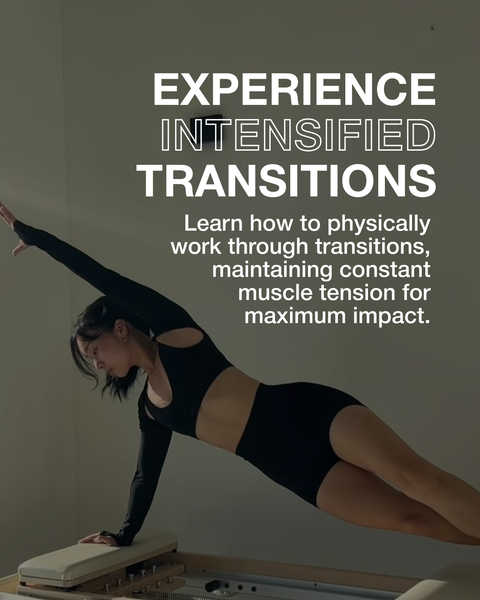
I generally recommend you teach a short series that repeats the same key themes: breath, alignment, core control, and clean transitions. Keep progressions small. You want clients to feel success quickly, and you want you to feel in control of the room.
Local networking idea: In the Birch Hill area of Locust Valley, mild-weather pop-ups near Planting Fields or Sagamore Hill can be a smart way to meet new people. Keep it simple, keep it safe, and keep it consistent.
Ask for feedback the right way
After each session, ask two questions: “What felt great?” and “What felt confusing or too fast?” Track the answers. You’ll spot patterns in your cueing quickly, and your next class will immediately get better.
Habits that protect your “new teacher” energy (and your results)
After teacher training, your biggest asset is your clarity. Your aftercare is less about products and more about habits. I want you to feel steady, prepared, and able to coach with presence, not pressure.
Keep your programming notes short and usable
Write your class plan on one page. Include your main goal, your regressions, and your time checks. If you can’t glance at it and teach, it’s too long.
Protect your voice and your nervous system
Hydrate, warm up your own body before you demonstrate, and give yourself quiet time after you teach. New teachers often carry the room with adrenaline. That works once. It doesn’t work weekly.
Progressions should feel earned, not rushed
If you’re not sure a progression is appropriate, keep it out until you can discuss it with your mentor or get supervised eyes on your teaching. This is how you stay safe and keep clients trusting you.
When to reach out to me at Sole Pilates (and what’s normal)
It’s normal to feel a little sore, a little tired, and a little “in your head” after a big training week. It’s also normal to feel fired up and ready to teach everyone you know. The sweet spot is in the middle. That’s why I like a two-week plan.
Reach out if you’re feeling stuck on how to structure your first classes, you’re unsure what to do with a client who has a history of back or neck issues, or you’re about to commit to a schedule that doesn’t leave you room to recover. In Locust Valley, especially around Birch Hill near NY-25A, it’s easy to say yes to everything because it’s convenient. I’d rather see you build slowly and keep teaching for years.
"The instructor was incredible. Super knowledgeable, encouraging, and really attentive to everyone in the class."
one of our regulars
If you’re ready to keep momentum: I offer a Teacher Training Program for $3500 and I do offer a payment plan. If you want help mapping your first two weeks of teaching, ask me about pairing your training with a few focused sessions so you’re not doing it alone.
You can reach me at +15162204453 or spmaxxformer@gmail.com. If you’re stopping by, I’m located at 198 Birch Hill Rd, Locust Valley, NY 11560-1832.